
By Estelle | HerWorkshop.co.uk
If there’s one tool in my workshop that I reach for when nothing else will do, it’s the oscillating multi-tool. Awkward cut in a tight corner? Multi-tool. Grout that needs removing? Multi-tool. Trimming a door frame for new flooring? Multi-tool. Scraping up old adhesive? Multi-tool.
It looks unassuming — like a small power tool with a stubby head. But swap out the blade and it becomes a saw, a sander, a scraper, a grinder and a grout remover all in one. Once you own one, you use it constantly.
💬 Estelle’s note: I own the DeWalt DCS355N XR Brushless multi-tool, and it gets an enormous amount of use in my workshop. It was the tool I reached for when undercutting door frames for my laminate flooring, when I needed to make a plunge cut in a partition wall, and when I was removing old grout before retiling the bathroom. The brushless motor is powerful and the quick-change blade system is genuinely fast. If you’re already in the DeWalt ecosystem, this one is a no-brainer.
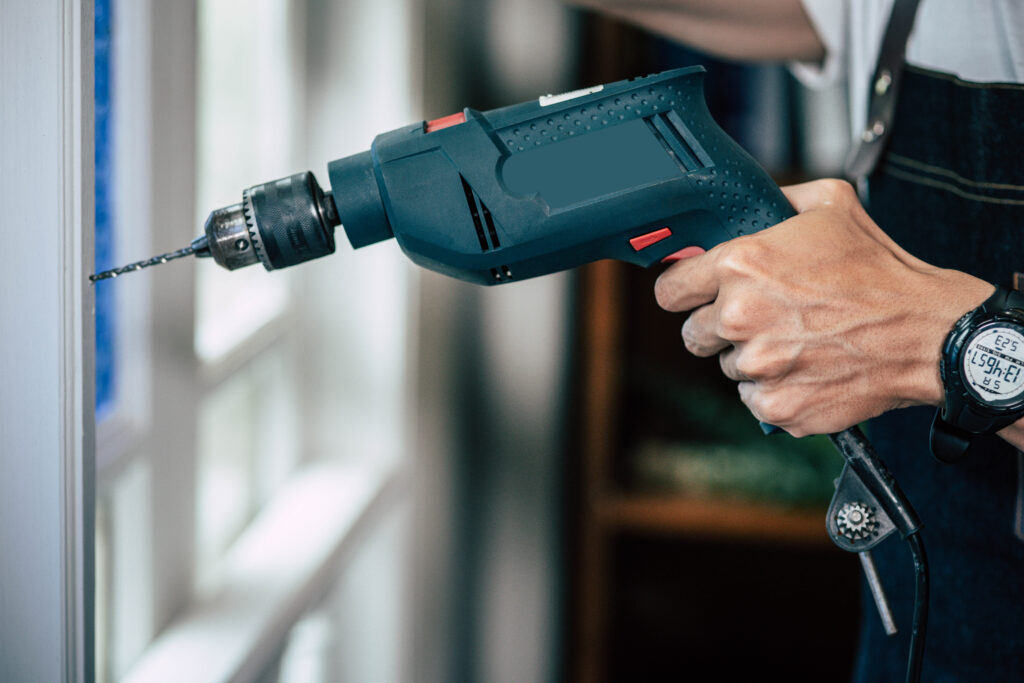
What is an Oscillating Multi-Tool?
An oscillating multi-tool has a head that moves rapidly from side to side — oscillating — rather than spinning like a drill or circular saw. This motion is safer and more controlled, allowing it to make precise cuts in tight spaces without the kickback risk of a circular saw.
By swapping the blade or attachment, you can:
- Cut wood, metal, plastic, tile and drywall
- Make plunge cuts into flat surfaces
- Undercut door frames and skirting boards for flooring
- Sand in corners and tight spots
- Scrape off old adhesive, paint or floor tiles
- Remove grout between tiles
- Flush-cut nails and screws
The oscillating angle is typically 2–4 degrees. The speed is measured in OPM (oscillations per minute) — most tools run between 8,000 and 20,000 OPM with variable speed control.
What to Look For
- More efficient, longer battery life, and more powerful than brushed motors. Always worth the extra cost. — Brushless motor
- Essential — different materials need different speeds. Low for sanding, high for cutting. — Variable speed
- You’ll swap blades constantly. A quick-change system (rather than a hex key) saves huge amounts of time. — Tool-free blade change
- 18,000–20,000 OPM is the sweet spot for general DIY. Lower speeds offer more control for delicate work. — OPM range
- Starlock and universal fit systems accept blades from multiple brands, saving money on accessories. — Accessory compatibility
- Less vibration = less hand fatigue on longer jobs. Better tools actively dampen vibration. — Vibration control
Our Top Picks
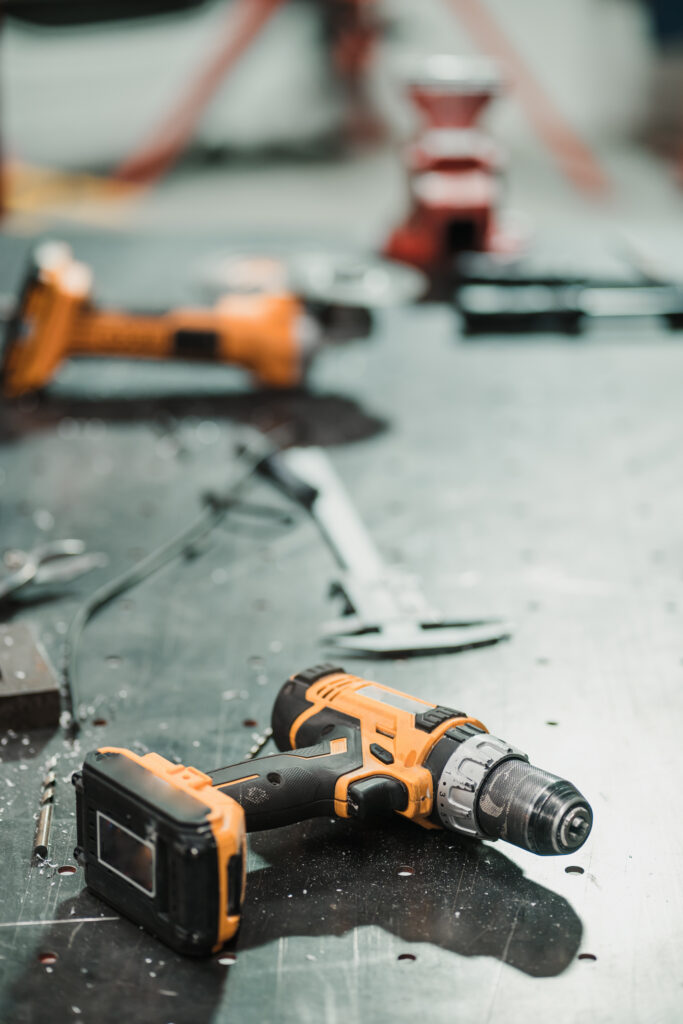
🥇 Best Overall — DeWalt DCS355N 18V XR Brushless
💰 Price: ~£120–£150 body only | Cordless | 18V Brushless
📸 PRODUCT PHOTO PLACEHOLDER — DeWalt DCS355N (search Amazon or DeWalt.co.uk)
My personal pick, and for good reason. The DeWalt DCS355N has a brushless motor that delivers up to 20,000 OPM with exceptional control throughout the speed range. The dual-grip variable speed trigger is one of the best in class — it gives you incredibly precise speed control as you work, without having to fiddle with a separate dial.
The quick-change blade system is tool-free and fast — genuinely one of the most practical on the market. The LED work light is bright and well-positioned for tight spaces, and at just 1.1kg it’s light enough to use for extended periods without fatigue.
As with all DeWalt 18V XR tools, the battery is interchangeable across the entire range — a huge practical advantage if you’re already in the ecosystem.
Best for: DeWalt users and anyone who wants the best all-round cordless multi-tool for serious DIY.
- ✅ Brushless motor — more power and runtime
- ✅ Dual-grip variable speed trigger — exceptional control
- ✅ Fast tool-free blade change
- ✅ DeWalt 18V XR battery compatible
- ✅ LED work light
- ❌ Body only — battery not included
- ❌ Premium price
🥈 Best Budget Cordless — Ryobi ONE+ R18MT-0 18V
💰 Price: ~£50–£70 body only | Cordless | 18V
If you’re starting out or already own Ryobi ONE+ tools, this is an outstanding entry point. The Ryobi R18MT delivers genuine cutting and sanding performance at a price that’s hard to argue with — and it runs on the same battery as every other tool in the 200+ strong ONE+ family.
The tool-free blade change is straightforward, variable speed goes up to 18,000 OPM, and the build quality is solid for the price. It won’t match the DeWalt for finesse, but for 90% of home DIY tasks it does everything you need.
Experts consistently recommend this as the best value entry into oscillating tools — especially for beginners building their first toolkit.
Best for: Beginners, Ryobi ONE+ battery owners, and anyone who wants to try an oscillating tool without a big investment.
- ✅ Excellent value
- ✅ ONE+ battery ecosystem (200+ tools)
- ✅ Tool-free blade change
- ✅ Variable speed up to 18,000 OPM
- ❌ Body only — no battery included
- ❌ Not as powerful or refined as premium options
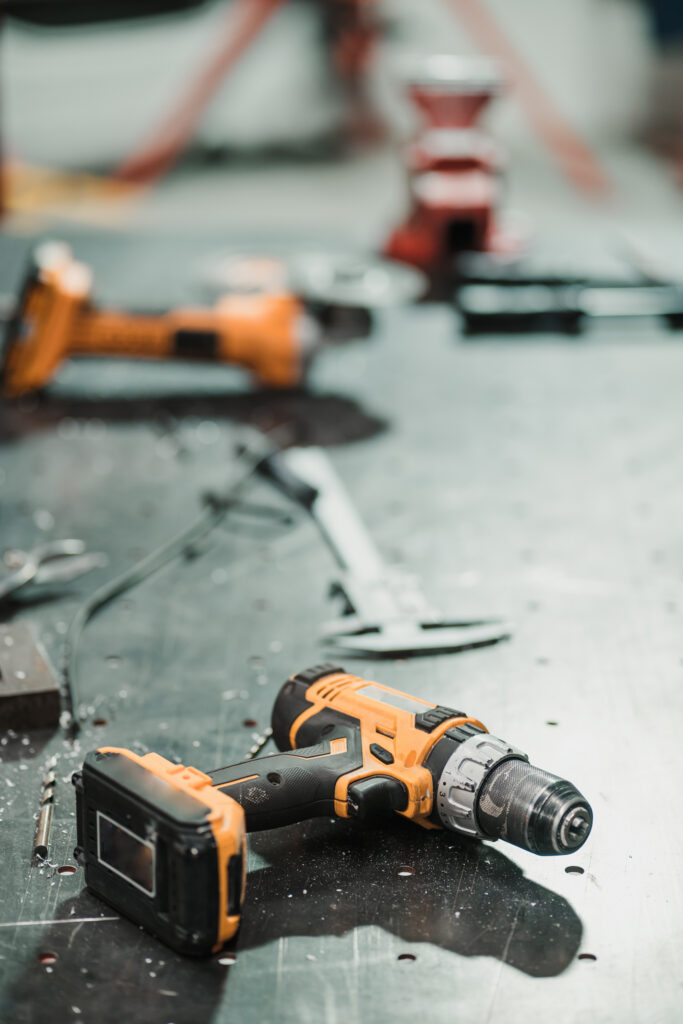
🥉 Best Corded Budget — WORKPRO 300W Oscillating Multi-Tool
💰 Price: ~£35–£50 | Corded | 300W
If you want to spend as little as possible and don’t mind a cord, the WORKPRO 300W is the best budget corded option currently available in the UK. It has 6 speed settings, variable speed up to 20,000 OPM, and comes with a reasonable selection of blades and accessories to get started.
Real-world testing confirms it handles the most common DIY tasks well — clean flush cuts in drywall, grout removal, and corner sanding — with clean results for light-to-medium use. Professional users note the stock blades aren’t as durable as premium alternatives, so a blade upgrade is worthwhile for more demanding jobs.
Best for: Occasional users who want to try an oscillating tool at minimal cost.
- ✅ Very affordable entry point
- ✅ 6 speed settings up to 20,000 OPM
- ✅ Comes with accessories
- ❌ Corded — less freedom of movement
- ❌ Stock blades wear faster than premium alternatives
⭐ Best Premium — Makita DTM52Z 18V LXT Brushless
💰 Price: ~£130–£160 body only | Cordless | 18V Brushless
If the DeWalt is the powerhouse, the Makita DTM52Z is the surgeon’s scalpel. Makita has engineered this tool specifically for user comfort — the vibration control is outstanding, making it noticeably more comfortable to use for long periods than most of the competition.
The rotating head swivels through 360 degrees with 12 stops, allowing you to position the blade at almost any angle — ideal for awkward, tight spaces where other tools simply can’t reach. The brushless motor delivers smooth, consistent power, and the soft-start feature gives you excellent control at the beginning of each cut.
Best for: Makita LXT battery owners, and anyone who values user comfort and precision for longer or more detailed jobs.
- ✅ Outstanding vibration control — less hand fatigue
- ✅ 360° rotating head with 12 positions
- ✅ Brushless motor with soft start
- ✅ 18V LXT battery compatible
- ❌ Body only — no battery included
- ❌ Expensive
💡 Best Corded Mid-Range — Bosch Advanced Multi 18V
💰 Price: ~£80–£100 | Cordless | 18V
For Bosch Power4All battery owners, this is the natural choice. The Bosch Advanced Multi uses the same 18V battery as Bosch’s full DIY cordless range, and delivers solid performance for home use — quick blade change, bright LED, variable speed and good build quality at a fair price.
Best for: Bosch battery system owners wanting a reliable cordless multi-tool at a mid-range price.
- ✅ Bosch Power4All battery compatible
- ✅ Good build quality
- ✅ Quick blade change
- ❌ Less powerful than DeWalt or Makita
Comparison Table
| Model | Type | Max OPM | Price | Best For |
|---|---|---|---|---|
| DeWalt DCS355N XR | Cordless 18V | 20,000 | ~£135 | Best overall / DeWalt users |
| Ryobi ONE+ R18MT | Cordless 18V | 18,000 | ~£60 | Budget / Ryobi users |
| WORKPRO 300W | Corded | 20,000 | ~£40 | Budget occasional use |
| Makita DTM52Z LXT | Cordless 18V | 20,000 | ~£145 | Comfort / Makita users |
| Bosch Advanced Multi | Cordless 18V | 20,000 | ~£90 | Bosch users |
What Blades Do I Need?
Your multi-tool is only as good as the blade in it. Most tools come with a basic starter selection — enough to get going, but worth upgrading for specific tasks. Here’s what to look for:
- Bi-metal blades — for cutting wood with nails, plastic and thin metal. The most versatile everyday blade.
- Wood-only blades — sharper, faster cut in timber. Use for undercutting door frames and fine work.
- Carbide blades — for cutting through tile, grout and harder materials.
- Sanding pads — for getting into corners that no other sander can reach. Keep 60, 80 and 120 grit to hand.
- Scraper blades — flat, wide blades for lifting adhesive, old paint and floor coverings.
👉 Check price on Amazon | 👉 Check price at Screwfix
Frequently Asked Questions
Is an oscillating multi-tool worth buying?
Yes — without question. It fills a gap that no other single tool covers: precise flush cuts, grout removal, corner sanding and plunge cuts in tight spaces. Once you own one, you’ll use it all the time.
What is the best oscillating tool for beginners?
The Ryobi ONE+ R18MT is the best starting point — affordable, part of a large battery ecosystem, and capable of all common DIY tasks. If you want to invest more upfront, the DeWalt DCS355N is the tool you’ll never want to replace.
Are corded or cordless multi-tools better?
Cordless wins for convenience and flexibility. For home DIY where you’re moving between rooms, cordless is the practical choice. Corded tools are cheaper and never run out of power — fine if you work in a fixed workshop space.
Can I use any blade on any multi-tool?
It depends on the attachment system. Universal fit blades work on most tools. Starlock and Starlock Max blades are a superior system but only compatible with specific brands. Check compatibility before buying blades.
Final Verdict
For most DIYers, the DeWalt DCS355N is the best all-round investment — powerful, precise, and part of the best cordless ecosystem available. If you’re on a budget or already in the Ryobi ONE+ system, the R18MT is an outstanding value pick that will handle everything a home DIYer needs.
Whichever you choose, you’ll quickly wonder how your workshop ever functioned without one. 🔧
This post contains affiliate links. If you buy through my links, I may earn a small commission at no extra cost to you. I only ever recommend tools I genuinely believe in.
Have questions? Drop them in the comments below — I’m happy to help! 🔧