
By Estelle | HerWorkshop.co.uk
A circular saw was the first power tool I ever bought — even before I owned my house. I was still in my rental when I decided to build a desk, and I needed to make straight, clean cuts through sheet timber. A circular saw was the obvious answer.
I bought a corded Bosch, and it was brilliant. Clean cuts, reliable, easy to control once I understood the basics. That saw gave me so much confidence. I’m still surprised how many people I speak to who are intimidated by circular saws — they’re loud, yes, but they’re absolutely manageable once you know what you’re doing.
This guide is everything I wish someone had told me before that first cut.
💬 Estelle’s note: My first circular saw was a corded Bosch — bought specifically to build a desk in my rental flat before I even had a house. It gave me the confidence to tackle bigger projects, and it’s still the tool I’d recommend to a beginner who wants something reliable and affordable to start with. Corded means you never worry about batteries, and for a first saw, that simplicity is a genuine advantage.
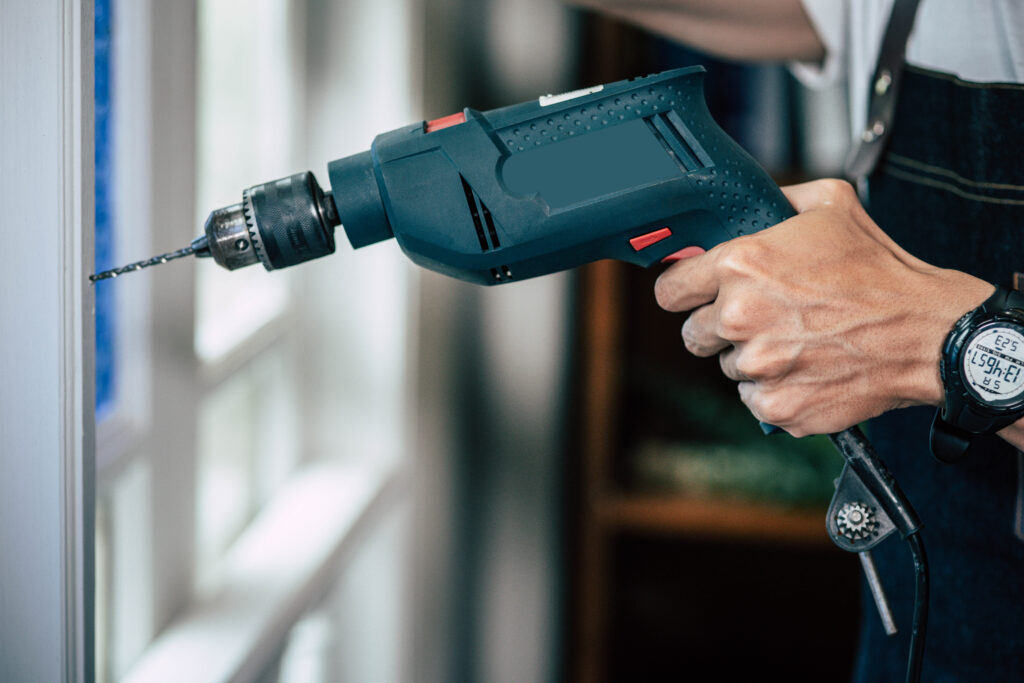
Should You Start With Corded or Cordless?
This is the first question beginners ask, and the honest answer depends on your situation:
- Corded circular saws are cheaper, deliver consistent power regardless of battery charge, and are a straightforward starting point. If you’re working in a workshop or garage near a socket, corded is often the smarter first choice.
- Cordless circular saws offer freedom of movement — essential if you’re cutting timber outdoors, on a deck, or in a room without convenient sockets. Modern brushless cordless saws are now as powerful as corded equivalents.
For a complete beginner, I’d recommend starting corded unless you already own batteries in a specific brand’s ecosystem — in which case, match the battery.4
What to Look For in Your First Circular Saw
- Most home DIY saws use a 165mm blade. This handles timber up to around 55–60mm thick at 90°, which covers the vast majority of DIY projects. 190mm blades cut deeper but are heavier and harder to control. — Blade size
- Lighter is better for beginners. Anything under 3.5kg (body only) is manageable for most jobs. Over 4kg becomes tiring quickly, especially for overhead or awkward cuts. — Weight
- Allows you to tilt the blade for angled cuts. Look for positive stops at 45° and 50° — the more common angles. — Bevel adjustment
- Allows you to set exactly how deep the blade cuts. Set it just deeper than your material for the cleanest, safest cut. — Cutting depth adjustment
- Stops the blade almost instantly when you release the trigger. An important safety feature — look for this on any saw you consider. — Electric brake
- Keeps your cut line clear so you can follow your mark accurately. Small detail, big practical benefit. — Dust blower
- Aluminium or magnesium base plates are more durable and stay true over time. Cheap plastic plates can warp and affect cut accuracy. — Base plate material
Circular Saw Safety — Read This Before Your First Cut
A circular saw is one of the more powerful tools you’ll own. Respect it and it’s completely manageable. Here’s what matters:
- Always clamp your workpiece before cutting — never hold it with your hand.
- Set the blade depth correctly — just deeper than your material, no more.
- Let the blade reach full speed before starting the cut.
- Follow a marked line or use a straight edge guide.
- Keep fingers and hands clear of the blade path at all times.
- Wear safety glasses and hearing protection — always.
- Allow the blade to stop completely before setting the saw down.
The electric brake is your friend — on a good saw, the blade stops within seconds of releasing the trigger. This is why it’s a feature worth paying for.
Our Top Picks
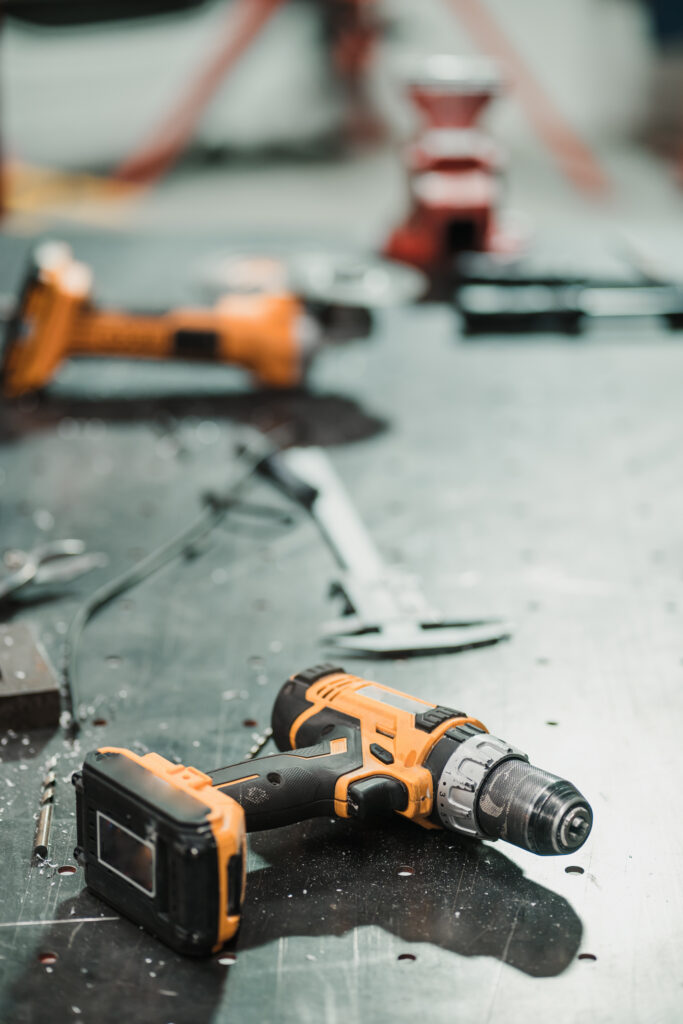
🥇 Best Corded for Beginners — Bosch PKS 55 A
💰 Price: ~£80–£100 | Corded | 1,200W | 160mm blade
The Bosch PKS 55 A is consistently recommended as the best corded circular saw for UK beginners, and I can see why — it’s the spiritual successor to the type of saw I started with myself. At 1,200W it has plenty of power for timber, sheet materials and plywood, and the 160mm blade handles depths up to 55mm at 90°.
The lightweight design (under 3kg) makes it noticeably easier to control than heavier saws, and the parallel guide included in the box helps you make accurate rip cuts without a track. The bevel adjustment goes to 45° with positive stops, and the dust extraction port keeps your workspace manageable.
Best for: Complete beginners who want a reliable, lightweight corded saw from a trusted brand at a fair price.
- ✅ Lightweight and easy to control
- ✅ Trusted Bosch quality
- ✅ Parallel guide included
- ✅ Bevel to 45°
- ✅ Good value
- ❌ Corded — limited mobility
- ❌ 160mm blade limits cutting depth vs larger saws
🥈 Best Cordless for Beginners — DeWalt DCS570N 18V XR Brushless
💰 Price: ~£130–£160 body only | Cordless | 18V Brushless | 184mm blade
If you want cordless from the start — and you’re already thinking about building a DeWalt toolkit — the DCS570N is the one I’d point you towards. The brushless motor delivers 5,150 RPM for clean, fast cuts through timber, sheet material and even engineered boards.
At just 3.4kg (body only) it’s well-balanced and comfortable to use. The magnesium shoe is lightweight but rigid, staying accurate over years of use. The electric brake is fast, and the LED work light keeps your cut line visible. The 184mm blade cuts 65mm at 90° — enough for virtually every DIY project you’ll encounter.
Best for: Beginners who want to invest in a quality cordless saw and grow their DeWalt toolkit over time.
- ✅ Brushless motor — power and runtime
- ✅ Lightweight magnesium base plate
- ✅ Electric brake
- ✅ DeWalt 18V XR battery compatible
- ✅ Cuts 65mm at 90°
- ❌ Body only — battery not included
- ❌ Pricier than corded options
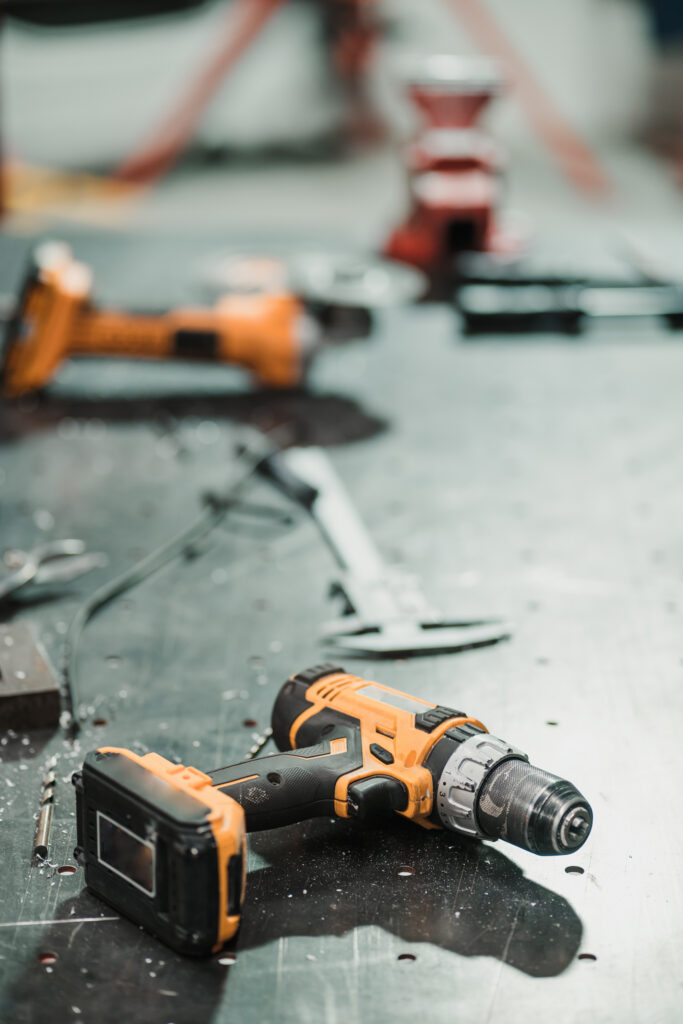
🥉 Best Budget Corded — Evolution Power Tools R185CCSX+
💰 Price: ~£55–£75 | Corded | 1,200W | 185mm blade
Evolution is a well-regarded UK brand that punches above its price in terms of features. The R185CCSX+ cuts wood, metal and plastic with the same blade — no blade changes needed — which makes it genuinely versatile for a workshop saw. It includes a rip fence and comes in a carry case.
The 185mm blade cuts 66mm at 90°, which is deeper than the Bosch PKS 55 at a lower price. For a first saw where you’re doing occasional projects rather than daily use, this is an excellent value option.
Best for: Budget-conscious beginners who want a versatile saw for occasional use.
- ✅ Cuts wood, metal and plastic with same blade
- ✅ Deeper cut than similarly priced saws
- ✅ Good value
- ✅ Rip fence included
- ❌ Heavier than Bosch PKS 55
- ❌ Not as refined as premium brands
⭐ Best Mid-Range Cordless — Makita DHS680Z 18V LXT Brushless
💰 Price: ~£130–£160 body only | Cordless | 18V Brushless | 165mm blade
For Makita LXT battery owners, the DHS680Z is the natural choice and a genuinely excellent saw. The brushless motor with automatic speed control adjusts cutting speed based on load, ensuring consistent performance through varying timber thickness. At just 3.1kg (body only) it’s one of the lightest saws in its class.
Twin LED job lights keep the cut line visible even in poor light, and the Efficut 165mm blade included in the box is notably sharper than most bundled blades.
Best for: Makita LXT battery owners and anyone who values light weight and precision over maximum cutting depth.
- ✅ Automatic speed control under load
- ✅ Lightest in its class at 3.1kg
- ✅ Twin LED job lights
- ✅ Excellent included blade
- ✅ Makita 18V LXT compatible
- ❌ 165mm blade limits depth vs 184mm competitors
- ❌ Body only
Comparison Table
| Model | Type | Blade | Cut Depth (90°) | Price | Best For |
|---|---|---|---|---|---|
| Bosch PKS 55 A | Corded | 160mm | 55mm | ~£90 | Best corded beginner |
| DeWalt DCS570N XR | Cordless 18V | 184mm | 65mm | ~£145 | Best cordless beginner |
| Evolution R185CCSX+ | Corded | 185mm | 66mm | ~£65 | Budget / versatile |
| Makita DHS680Z LXT | Cordless 18V | 165mm | 57mm | ~£145 | Makita users / light weight |
Tips for Your First Cuts
- Mark your cut line clearly with a pencil before you start.
- Clamp your workpiece to a sawhorse or workbench — never hand-hold it.
- Use a straight edge or rip fence for long straight cuts.
- Start on scrap material to get the feel of the saw before cutting your actual piece.
- Let the blade do the work — don’t force it. A smooth, steady feed rate gives the cleanest cut.
- Always check what’s below your workpiece before cutting — never cut into a surface you don’t want to damage.
💬 Estelle’s note: My biggest tip for first-time circular saw users: set your cutting depth properly. You want the blade just deeper than your material — not much more. A blade sticking out 30mm below a 18mm sheet is unnecessary and less safe. Get the depth right first and your cuts will be cleaner and more controlled.
Frequently Asked Questions
Is a circular saw hard to use for beginners?
Not at all, once you understand the basics. The key is to clamp your work securely, set the blade depth correctly, and follow a marked line. Start on scrap timber and you’ll be confident within a few cuts.
What’s the difference between a 165mm and 184mm blade?
A larger blade cuts deeper. A 165mm blade cuts around 55–57mm at 90°, a 184mm blade cuts 65mm+. For most home DIY, 165mm is sufficient. If you’re cutting thicker timber regularly, 184mm is worth having.
Do I need a track saw?
Track saws give ultra-precise, chip-free cuts but are expensive and best suited to cabinet making and fine woodwork. For general DIY, a standard circular saw with a straight edge guide is perfectly adequate.
Can a beginner use a circular saw safely?
Yes — provided you follow the safety steps above. Clamp your work, set the depth correctly, wear eye and ear protection, and let the blade reach full speed before cutting. A saw with an electric brake is safer and worth prioritising.
Final Verdict
For most beginners, the Bosch PKS 55 A is the ideal starting point — lightweight, reliable, affordable and from a brand you can trust. It’s close to the type of saw I started with, and it’ll handle everything you need it to for years.
If you’re ready to go cordless and invest in a long-term toolkit, the DeWalt DCS570N or Makita DHS680Z are both outstanding choices. Pick the one that matches your battery ecosystem.
And trust me — once you make that first clean cut through a length of timber, you’ll be hooked. 🔧
This post contains affiliate links. If you buy through my links, I may earn a small commission at no extra cost to you. I only ever recommend tools I genuinely believe in.
Have questions? Drop them in the comments below — I’m happy to help! 🔧